Is the Chase Sapphire Preferred Metal? Yes — Here’s What That Actually Means
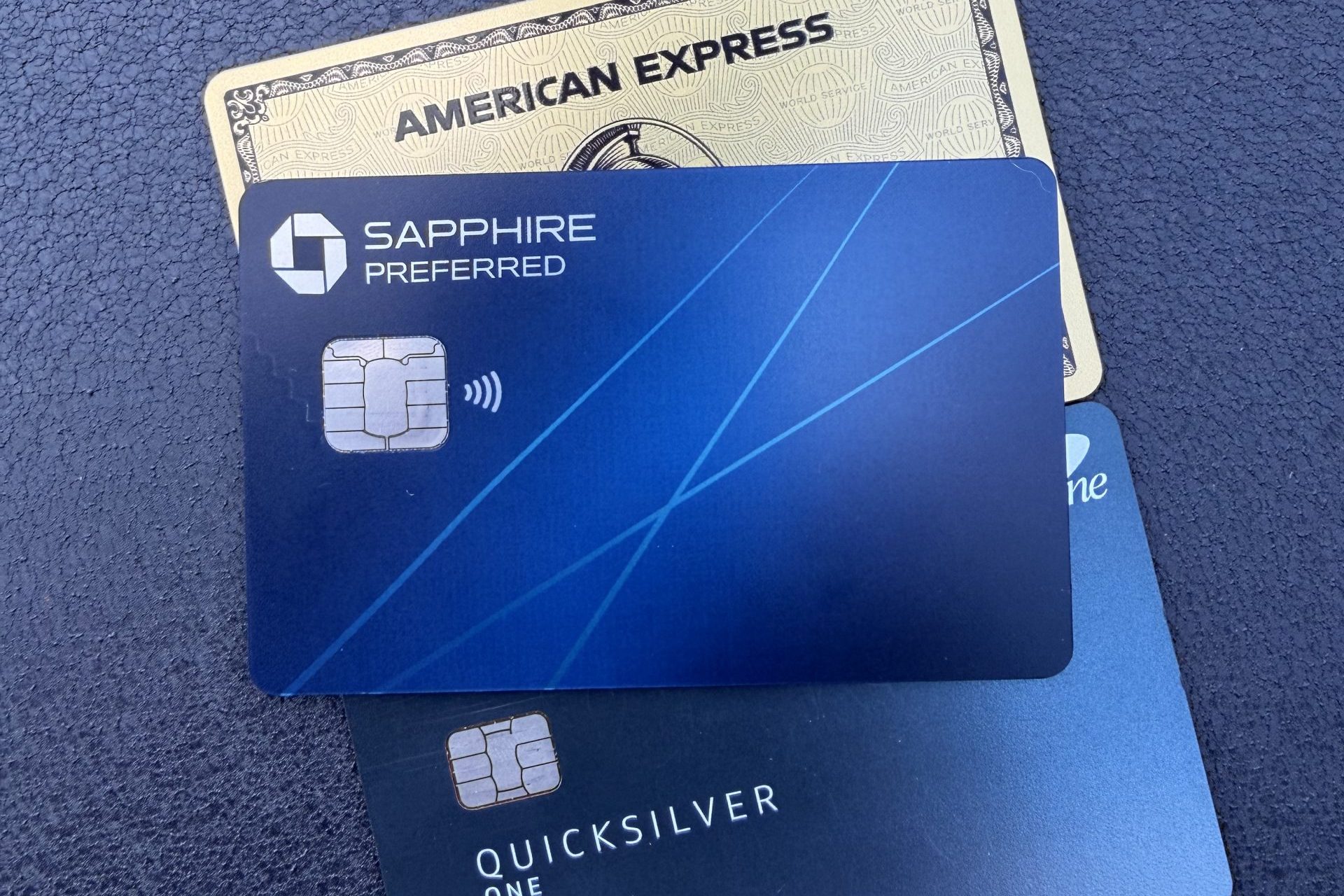
Is the Chase Sapphire Preferred metal? Yes. Stainless steel core, plastic laminate on both faces, around 13 grams — noticeably heavier than a regular plastic card but not enough to feel like a burden. That’s the short answer.
The longer answer is the one that’s actually useful: what the metal is, why the industry moved this direction, what it feels like to carry, whether it should factor into your decision to get the card, and how it stacks up against the other metal cards you might be considering. If you’re clicking around trying to figure out whether the metal body matters to you, that’s what the rest of this covers.
The Physical Facts: What the CSP Is Actually Made Of
The Chase Sapphire Preferred is a metal card. Specifically, it’s a stainless steel core sandwiched between two layers of plastic laminate — one on the front carrying the card art, one on the back carrying the mag stripe and signature panel. The metal is the body; the plastic is the surface.
The card weighs between 12.4 and 13 grams. For comparison, a plastic credit card typically weighs around 5 grams, and a US nickel weighs 5 grams. So the CSP is roughly 2.5 nickels in your wallet — noticeable when you pick it up, not heavy enough to feel like a burden.
Dimensions are standard: 3.375 inches wide by 2.125 inches tall. This isn’t specific to Chase — it’s the international ID card standard (ISO/IEC 7810 ID-1), which is why credit cards, driver’s licenses, and most other wallet cards are all the same size. Chase’s own guidance notes the standard is intentional: cards are sized to match government IDs so they fit the same slots in every wallet on the market.
The chip and stripe are placed exactly where they’d be on a plastic card. Functionally, the CSP works identically to any other credit card — the metal is a body swap, not a mechanism change. Every reader accepts it the same way. Every ATM reads it the same way. TSA doesn’t treat it differently. We’ll come back to that.
A Brief History: How Metal Cards Became a Thing
Metal credit cards started with the American Express Centurion Card in 1999 — the invitation-only “Black Card” that has become shorthand for extreme wealth. For most of the following decade and a half, metal cards stayed rare and reserved for ultra-premium products. If you had one, you were probably the target market for private jet advertising or a private chef.
That changed in 2016 when Chase launched the Sapphire Reserve. The Reserve was designed from the start as a metal card, and Chase leaned into the material as a marketing hook. The heft and the sound were engineered to feel premium in a way plastic couldn’t. The launch was a hit, and metal-as-accessible-premium-signal broke into the mainstream.
The Chase Sapphire Preferred wasn’t always metal. It launched in 2009 as a plastic card and stayed plastic for years afterward. Chase patented metal card manufacturing technology in 2011, but the CSP itself was upgraded to metal sometime after the Reserve’s 2016 debut. Chase hasn’t publicly documented the exact year, and the switch happened quietly, without a launch event. What’s clear is that by the CSP’s major relaunch in the early 2020s, the metal body was standard.
The pattern by then was industry-wide. Capital One introduced metal on the Venture X. American Express extended metal to the Gold, in addition to the long-metal Platinum. Even mid-tier cards started appearing in metal. The material had shifted from ultra-premium signal to mid-premium expectation, and Chase’s mainstream travel card came along for the ride.
What It Actually Feels Like to Carry
The first thing you notice is the weight. Moving from a plastic card to a metal one is a clear jump — for me and for the people I’ve talked to about it, that jump is what makes them love the product even more, especially if it’s their first metal card. 13 grams is still lighter than a nickel, but enough that when you pull it out of your wallet, you can tell it’s not a regular card. Whether that matters or not is personal. Mine sits in a slim leather cardholder with other cards, and I can pick the CSP out by feel alone.
The sound is slightly different too — though not as noticeable as some other metal cards. Here’s where I have an unusual angle on this: I work as a server, which means I’ve handled a huge number of credit and debit cards at the end of meals. Long before I had a metal card myself, I noticed which ones people carry — and other people notice too. Sometimes that means a small compliment. Sometimes it means nothing at all. It’s not a reason to get the card, but it’s a real thing that happens. The “it impresses everyone” claim you’ll see on other sites is mostly wishful.
Durability is where the metal earns its keep. Handling hundreds of cards a week at work, I can tell you: metal cards almost never come to the table visibly damaged. Plastic is a different story — probably 50/50 for cards more than a year old. My own CSP looks the same as the week I got it. No warping, no scratches, no frayed laminate. Is that essential? No. But for a card with an annual fee, it’s a small ongoing quality-of-life detail that adds up over the years you’ll carry it.
The finish stays consistent. It doesn’t develop a patina like copper or brass. It’s stainless steel — it just stays being stainless steel. That’s the point. This isn’t a card that ages beautifully. It’s a tool that stays a tool.
Is the Chase Sapphire Preferred Metal Body a Reason to Get the Card?
No. Although a nice one, the metal is simply an added cosmetic touch.
If you’re deciding whether to apply for the Chase Sapphire Preferred and you’re on the fence leaning no, the metal shouldn’t tip you to yes. It’s not a value driver.
There is something genuinely nice about a metal card. It’s an elevated experience, and if the card already makes sense for you, the metal is a small extra reason to enjoy carrying it. But the decision to get the card shouldn’t rest on that.
The credit card industry has spent years training consumers to associate “metal card” with “premium,” and “premium” with “worth it.” TikTok, Pinterest, and Instagram have amplified this — metal cards are glorified as status objects, and a lot of people’s goal now is just to get a metal card so their life looks premium, elevated, and flashy. It’s a very effective piece of psychological framing, and it’s not entirely wrong. Most metal cards are premium cards. But the direction of causation matters. The card is premium first and metal second, not the other way around. For me, it’s about the benefits and not the appearance — although yes, I enjoy the appearance.
The real reasons to get the CSP show up in the math. $95 annual fee. $100 annual hotel credit through the Chase portal — which alone can offset the fee if you book at least one hotel a year that way. DashPass membership and DoorDash credits that add real value if you use the service. TSA PreCheck reimbursement every four years. Points multipliers on travel and dining that compound quickly if you actually travel or eat out. And a welcome bonus that has historically ranged from 60,000 to 100,000 points depending on the offer running at the time — I earned mine at 75,000, and those points translate to a real trip if you use them well. Any one of those benefits can offset the fee on its own.
If you’re on the fence about the CSP, decide on the math. The metal will always be there when the time is right.
Practical Realities: What to Actually Know About Carrying a Metal Card
If you’ve never carried a metal card before, you probably have some small concerns or questions. Let’s go through them.
Airport security and metal detectors. The CSP goes through TSA and airport security exactly like any other credit card. It sits in your wallet, it goes on the belt with everything else, and nobody flags it. The metal amount is negligible compared to what triggers detectors — you’re carrying more metal in a set of keys or a belt buckle. Zero issues.
ATMs and card readers. The card works identically to plastic. Chip readers, mag stripes, tap-to-pay — all the same. The metal doesn’t interfere with anything. The one thing worth mentioning: some older ATMs have card slots that are slightly tight, and a metal card might feel more resistant going in than a plastic one. It’s not a real problem in most cases.
What if I damage it? Chase’s damaged-card replacement is free. If your CSP gets bent, cracked, or otherwise unusable, you request a replacement through the app or by phone. Standard shipping is a few business days, and expedited shipping to 1-2 days is available if you need it faster. If you’re traveling and lose your card, Chase’s emergency card assistance can get you a replacement or cash advance abroad. You’re not liable for unauthorized charges once you report the card missing, and Chase’s app usually lets you add the new card to Apple Pay or Google Pay before the physical replacement arrives.
What if I need to destroy an old one? This is the one place metal creates real friction. Standard household paper shredders will not cut through a metal card. Some scissors will handle it, but a lot won’t. Chase’s official recommendation is to use metal-capable card cutters, or to return the card to Chase and let them handle disposal. Do not throw a metal card in regular trash — the chip retains data, and the metal can’t be recycled through the same channels as paper cards. This is a good thing to plan for before you need to do it, though for most people it won’t be an issue for years.
Also, don’t worry about metal cards interfering with wireless charging, phone signals, RFID blocking sleeves, or any of the other things people occasionally worry about. It’s a piece of metal in your wallet, not a Faraday cage.
How the CSP Compares to Other Metal Cards
Not all metal cards feel the same in the hand. Weight, thickness, and finish vary meaningfully across issuers, and if you already carry multiple cards, you can feel the difference immediately.
Here’s how the CSP stacks up against the other metal cards a beginner or intermediate travel rewards person is likely to compare it to.
Chase Sapphire Preferred: roughly 13 grams. Stainless steel core. Solid, understated. This is the entry point into Chase’s metal card family — noticeably heavier than plastic, but the lightest of the metal-card comparison group.
Chase Sapphire Reserve: roughly 19.6 grams. Chase’s premium tier, which uses a heavier-feeling metal composition. The difference from the CSP is real — the Reserve is roughly 50% heavier. If you hold the two side by side, you can feel Chase’s product tiering in your hand.
Capital One Venture X: roughly 17 grams. Capital One’s premium travel card. Heavier than the CSP, lighter than the CSR. Feels distinctly different in a wallet next to Chase cards — Capital One has designed the Venture X to have its own weight identity.
American Express Gold: roughly 15 grams. I hold both the CSP and the Amex Gold, and the Gold is slightly heavier, more solid, and slightly flatter in the hand. Different construction, similar overall feel. If you’re a CSP holder considering adding the Gold, expect a card that’s very close in feel but with its own subtle personality.
American Express Platinum: 17-18.5 grams. Amex’s flagship. Weight varies slightly depending on the specific version (Amex has produced different Platinum finishes over the years). Firmly in the “you know this is a premium card” range, close to the CSR in feel.
So where does the CSP sit? It’s the lightest of the mainstream metal cards. That isn’t a negative — the CSP occupies a specific market position, and it fits that position well. The CSP is an entry point into premium travel rewards at a $95 annual fee that most beginners can justify. Chase has designed the physical card to match that positioning. It’s a real metal card — just a modest one. If you want the heavy premium feel, that’s what the Chase Sapphire Reserve exists for.
The Bottom Line
So — is the Chase Sapphire Preferred metal? Yes. Stainless steel core sandwiched between two layers of plastic laminate, about 13 grams, standard credit card size. That’s the literal answer.
But the honest version has caveats. The metal isn’t a reason to get the card. If you’re considering the CSP for the transfer partners, the welcome bonus, or the general travel rewards value — that’s the right thought process. In that case, the metal is a nice detail on top of a card that already makes sense.
The people who apply for a credit card because it’s metal are the same people the card companies design metal cards for. Don’t be that person. Make the math work first, and enjoy the look and heft because they’re there.